pinewood derby rules pdf
Overview of Pinewood Derby
Pinewood Derby is a popular youth racing event where participants build miniature cars from wooden blocks‚ wheels‚ and axles. The competition emphasizes creativity‚ precision‚ and adherence to rules. Participants must follow weight limits‚ wheel specifications‚ and safety guidelines to qualify!!!!.
1.1 What Is Pinewood Derby?
Pinewood Derby is a youth racing event where participants build miniature cars from wooden blocks‚ wheels‚ and axles. They design‚ carve‚ and assemble vehicles‚ customizing paint and accessories. The goal is to create a fast‚ aesthetically pleasing car that complies with strict rules. Regulations set maximum weight‚ wheel dimensions‚ axle placement‚ and safety limits‚ ensuring fair competition and preventing hazardous modifications. Rules also specify permissible materials‚ lubrication methods‚ and speed limits. Builders must follow these guidelines to qualify for races. The tradition began in the 1950s to promote STEM learning and teamwork. It has become a staple in scouting and community programs worldwide. The event’s appeal lies in its accessibility—requiring basic tools and a few hours of work and its capacity to spark interest in mechanics and physics. The official PDF rulebook provides step‑by‑step instructions‚ diagrams‚ and tables that clarify every requirement‚ from weight limits to wheel tolerances. It also offers troubleshooting tips for common issues such as uneven wheel alignment or excessive friction. Ultimately‚ Pinewood Derby is more than a race; it is an educational experience that teaches precision‚ problem‑solving‚ and sportsmanship.
Designers often experiment with weight distribution‚ using sand or lead to fine‑tune balance. They polish wheels‚ align axles‚ and apply grease to reduce drag. Many teams test their cars on a track‚ recording lap times and adjusting until optimal performance is achieved. Community forums and clubs share templates‚ tips‚ and success stories‚ fostering a collaborative learning environment. Parents and mentors play a role‚ guiding practices and encouraging very creative problem‑solving.

1.2 Historical Background
The Pinewood Derby originated in the early 1950s as a way to engage youth in mechanical learning. In 1953‚ the Boy Scouts of America introduced the event to promote teamwork‚ engineering‚ and creativity. The original design featured a simple wooden block‚ a set of wheels‚ and an axle‚ all provided in a kit. Rules focused on weight limits and safety. Over the decades‚ the Derby evolved with manufacturers releasing specialized blocks and wheels. The 1960s introduced precision machining‚ allowing smoother wheel surfaces and tighter tolerances. By the 1980s‚ the competition spread beyond the U.S.‚ with international chapters adopting rule variations while maintaining core principles. The 1990s brought digital design tools‚ enabling builders to model cars in CAD before carving. Today‚ the Pinewood Derby remains a staple of youth programs‚ celebrated for its blend of hands‑on engineering and friendly competition. Official rule PDFs provide detailed specifications‚ ensuring consistency and fairness across events worldwide. and safety.!!!!

The official rule PDF‚ distributed by organization‚ details every measurement‚ permissible material‚ and safety guideline. It includes diagrams of wheel tolerances‚ axle placement‚ and weight distribution. Many teams download the PDF to ensure compliance before construction. Guide participants through the rulebook‚ highlighting pitfalls such as uneven wheel alignment or excessive axle friction. By mastering these details‚ builders can focus on design innovation while staying within limits.
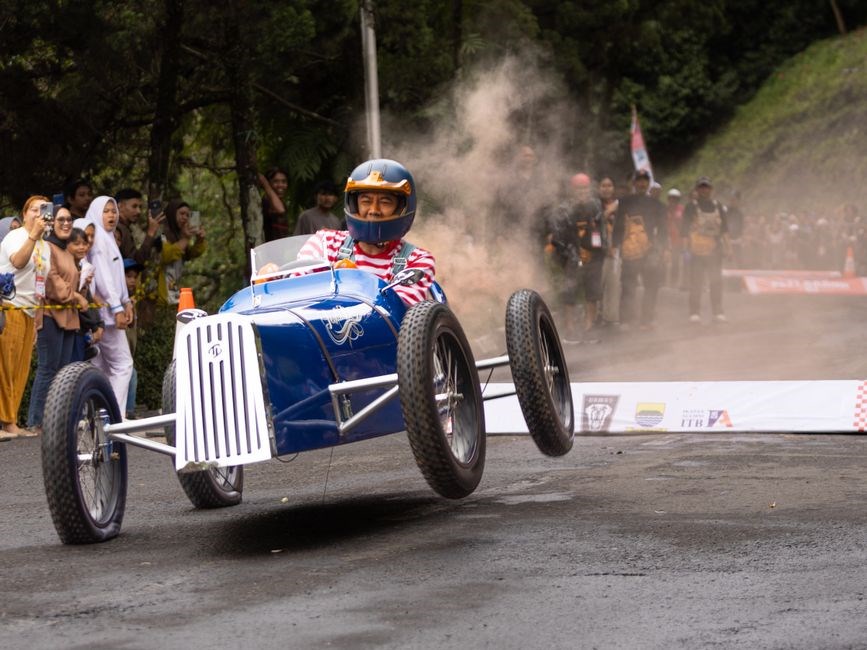
Official Rules and Regulations!!!
The Pinewood Derby rules PDF specifies maximum weight‚ wheel dimensions‚ and axle placement. It mandates a 5.5‑oz limit‚ 1.5‑inch diameter wheels‚ and a 2‑inch axle length. All cars must be safe‚ with no sharp edges‚ and must pass a pre‑race inspection..
2.1 Weight and Dimensions
According to the official Pinewood Derby Rules PDF‚ the maximum weight for a finished car is 5.5 ounces (156.25 grams). The car must not exceed this limit after all components—including wheels‚ axles‚ and any added ballast—are installed. The minimum weight is not specified‚ but cars that are significantly lighter may experience reduced traction and stability‚ leading to inconsistent performance. The car’s overall length‚ measured from the front bumper to the rear bumper‚ must not exceed 7 inches (17.78 cm). The width‚ measured at the widest point of the body‚ must not exceed 2 inches (5.08 cm). The height‚ measured from the track surface to the highest point of the car‚ must not exceed 1.5 inches (3.81 cm). These dimensional constraints ensure that all cars are comparable in size and that the track remains fair for all competitors. The rules also stipulate that the car’s body must be symmetrical‚ with no protrusions or irregularities that could create aerodynamic advantages or safety hazards. The wheels must be of uniform diameter‚ each not exceeding 1.5 inches (3.81 cm) in diameter‚ and must be free of any paint or coating that could alter friction. Axles must be straight‚ with a maximum length of 2 inches (5.08 cm) from end to end‚ and must be securely fastened to the body. The wheels should be positioned so that the car’s center of gravity is as low as possible‚ typically within the lower 25% of the car’s height. The placement of the wheels must also ensure that the car remains balanced and does not tip during acceleration or while negotiating turns. All measurements should be taken with a calibrated ruler or digital caliper‚ and the results recorded in the official entry sheet. Failure to comply with these weight and dimensional specifications may result in disqualification or penalty points‚ as outlined in the penalty section of the Rules PDF. Competitors are encouraged to verify their car’s compliance before the event to avoid last‑minute adjustments that could compromise performance or safety. Builders are advised to perform a trial run on a practice track to confirm that the car’s dimensions and weight distribution produce a stable‚ straight trajectory before the official race.
According to the official Pinewood Derby Rules PDF‚ builders may use materials for the car body‚ wheels‚ and axles‚ provided they meet the specified weight and dimensional limits. The base body must be constructed from a standard pinewood block‚ 1‑inch thick‚ 3‑inch square block of pine. Builders may carve‚ sand‚ or shape the block to achieve an aerodynamic profile‚ but the final shape must stay within the 7‑inch length‚ 2‑inch width‚ and 1.5‑inch height limits. Additional wood such as spruce or birch is prohibited unless part of the block. Carving tools‚ sandpaper‚ and drills are allowed‚ but power tools that alter the block’s mass distribution beyond the 5.5‑ounce limit are not permitted. Wheels must be made of standard wooden or plastic materials not exceeding 1.5 inches in diameter. Paint‚ decals‚ or stickers are allowed on the body and wheels‚ but coating that changes the wheel’s friction coefficient or weight beyond the specified limits is disallowed. Axles must be straight‚ metal or plastic‚ and may be polished or lubricated with a small amount of graphite or silicone grease; modifications that change the axle’s diameter or surface texture beyond prescribed tolerances are prohibited. Builders may add ballast to reach the maximum weight‚ but the ballast must be a uniform‚ non‑reflective material such as lead or tungsten‚ securely attached to the body. The placement of ballast must not shift the car’s center of gravity above the 25% height threshold.

Design and Construction Guidelines
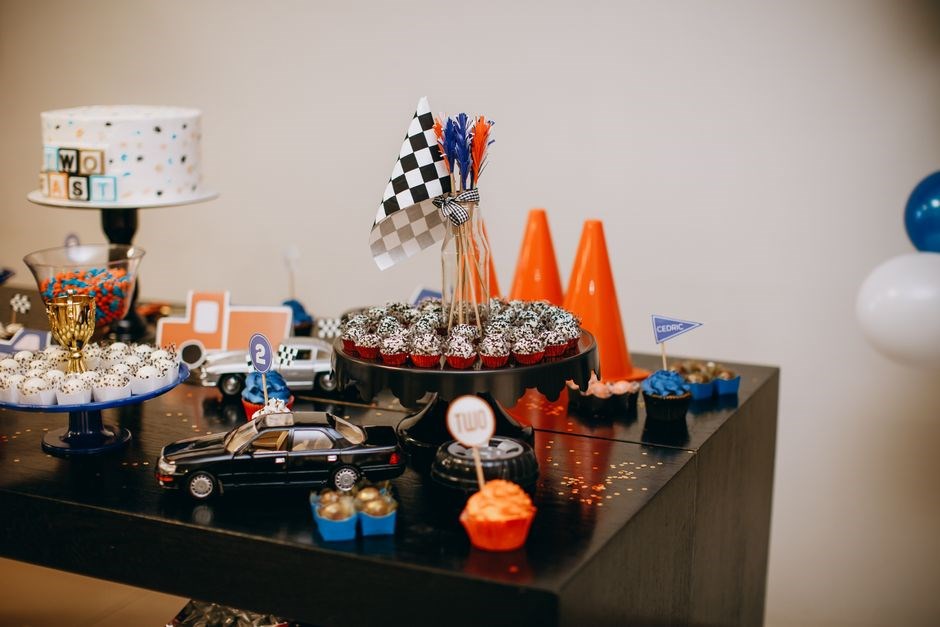
Builders shape the pine block into a sleek‚ low car‚ keeping the front edge rounded to cut drag. Wheels must be aligned and lubricated smooth; axles straight. Paint and decals are allowed‚ but no reflective or magnetic materials that alter performance!!!!
3.1 Wheel Alignment and Edge
Proper wheel alignment is critical for a fair and fast Pinewood Derby race. Each wheel must sit flush against its axle‚ with no wobble or tilt that could create drag or uneven weight distribution. The axle should be inserted through the wheel holes with a gentle‚ steady pressure‚ ensuring the wheel’s center aligns with the axle’s axis. After installation‚ spin each wheel to confirm it rotates freely and remains centered; any wobble indicates misalignment that must be corrected by adjusting the axle or wheel placement. The edge of the wheel should be smooth and free of burrs or sharp corners; a polished edge reduces friction against the track surface. Use a fine‑grit sandpaper to gently smooth the wheel rim‚ taking care not to remove too much material and alter the wheel’s diameter beyond the allowed limits. The wheel’s outer diameter must not exceed the specified maximum‚ and the inner diameter must remain within the axle’s tolerance. A consistent edge profile across all four wheels ensures that the car’s motion is predictable and that no wheel gains an unfair advantage. Additionally‚ the wheel’s surface should be treated with a light coat of wax or a low‑friction lubricant that does not exceed the regulation’s substance limits. This coating helps maintain smooth contact with the track‚ but it must be applied evenly to avoid creating uneven resistance. Finally‚ inspect the wheel alignment; today! any shift caused by handling or transportation can alter the car’s trajectory. By maintaining precise wheel alignment and a clean‚ smooth edge‚ builders can maximize their car’s speed while staying within the official rules. Every inch counts‚ speed!
3.2 Aerodynamic Enhancements
In Pinewood Derby‚ aerodynamic design can shave milliseconds off a finish line. Builders may sculpt the car’s body to reduce drag‚ using smooth‚ rounded shapes that guide air along the chassis. The front nose should taper gently‚ avoiding abrupt edges that create turbulence. A low profile keeps the car’s center of gravity low‚ enhancing stability. Builders often paint a matte finish to reduce skin friction‚ and some use a light‚ non‑reflective coating that conforms to the track’s lighting conditions. The rear should feature a subtle spoiler or a streamlined tail to prevent airflow separation. When adding decals or logos‚ keep them centered and avoid protruding elements that catch air. The overall length should stay within the prescribed limit‚ but designers can extend the body slightly behind the wheels‚ provided the total mass remains compliant. The use of lightweight‚ high‑strength composites for the body is permitted‚ but any added material must not alter the car’s weight beyond the maximum. Builders should test their aerodynamic shape on a flat surface‚ observing how the car rolls and whether any wobble occurs. Small adjustments—like shaving a corner or smoothing a seam—can improve airflow. Finally‚ remember that the car’s underside should be as flat as possible; a concave surface can trap air and increase drag. By carefully balancing shape‚ weight‚ and surface finish‚ a racer can achieve a competitive edge while staying within the official rules. Moreover‚ the use of a small‚ aerodynamic fin on the side can help stabilize the car during high‑speed runs‚ but it must be affixed securely and not exceed the allowed dimensions. Some teams experiment with a slight camber on the chassis to reduce the frontal area‚ but this must be verified against the rulebook to ensure compliance. The color palette should be chosen not only for aesthetics but also for heat management; darker colors absorb more heat‚ potentially affecting wheel lubrication. Therefore‚ a balanced approach to color and material selection is essential. Finally‚ always perform a final inspection before the race‚ checking that all aerodynamic modifications are intact and that no part has shifted during transport. All adjustments must be documented for the judges. Every detail matters!!
Testing and Tuning Procedures
Testing and tuning involve measuring lap times‚ adjusting wheel alignment‚ and fine‑tuning weight distribution. Use a calibrated track‚ record multiple runs‚ and analyze data to identify drag or imbalance. Small changes in axle lubrication or body trim can yield significant speed gains.———-
4.1 Lap Time Measurement
Accurate lap time measurement is the cornerstone of Pinewood Derby racing. The rulebook specifies that each run must be timed from the moment the car crosses the start line until it passes the finish line‚ using a reliable stopwatch or electronic timing system. The timer must start precisely when the car’s front bumper touches the start line and stop when the rear bumper crosses the finish line. Any deviation‚ such as starting early or stopping late‚ results in a penalty or disqualification.
To minimize human error‚ many clubs adopt a two‑person timing system: one official starts the timer‚ the other stops it‚ and both record the time on a shared sheet. Timing should be performed by a designated official to ensure consistency and fairness. When using electronic systems‚ the car’s wheel hub must be positioned within the gate’s detection zone‚ and the device must be calibrated before each session.
Lap times are recorded for each car‚ and the fastest time determines the winner. In case of a tie‚ a tiebreaker run is conducted under the same conditions. All timing data must be logged and made available to the judges and participants for verification. The rulebook also mandates that timing sheets include the car’s identification number‚ driver name‚ and any notes on irregularities. Proper documentation ensures transparency and upholds the integrity of the competition.
Lap timing accuracy critical for competition and record keeping. today now.!
4.2 Adjustments for Optimal Performance
Fine‑tuning a Pinewood Derby car after the initial build can shave milliseconds off the lap time. The first adjustment is wheel alignment: ensure all four wheels sit flush on the track by using a small file or sandpaper to remove any burrs. Next‚ balance the car by adding or removing weight from the rear or front‚ keeping the total within the 5‑ounce limit. A slight rear bias often improves traction‚ but too much can cause the car to nose‑over‚ so test in short runs.
Lubrication is another key factor. Apply a thin layer of graphite or a specialized racing grease to the axle hubs‚ but avoid over‑lubricating‚ which can attract dust and increase friction; Wheel bearings should be inspected for smooth rotation; replace any that feel gritty. The car’s surface finish also matters: a polished‚ smooth finish reduces air resistance‚ so sand the body with fine grit and apply a clear coat.
During testing‚ record lap times for each adjustment. Use a consistent starting position and track conditions to isolate the effect of each change. If a modification yields a slower time‚ revert to the previous state. Once the optimal configuration is found‚ lock the car’s weight with a small amount of epoxy or a weight‑locking sticker to prevent accidental shifts during the race.
Finally‚ ensure the car meets all official rules: no prohibited materials‚ no modifications that give an unfair advantage‚ and compliance with weight and dimension limits. A well‑adjusted car that respects the rules will perform reliably and safely on race day. By following these steps‚ participants can confidently fine‑tune their cars for peak performance while staying within the regulatory framework.

Resources and PDF Access
Find official rule PDFs on the National Association of Boys & Girls Clubs website‚ download community templates‚ and use shared forums for tips. Ensure links are current‚ verify file integrity‚ and consult local chapters for event‑specific guidance. Links OK!!!
5.1 Official PDF Download Links
Below are the primary sources for the official Pinewood Derby rules PDFs. These documents are maintained by the National Association of Boys & Girls Clubs (NABGC) and the International Pinewood Derby Association (IPDA). Each link opens a PDF that contains the most recent regulations‚ weight limits‚ dimensional constraints‚ and safety guidelines. Always verify that the version matches the year of your event‚ as updates occur annually.
- NABGC Rules PDF (2024) – Download
- IPDA Official Rules (2024) – Download
- Local Chapter PDF (Example: Chicago) – Download
- Archived 2023 Rules (NABGC) – Download
- Archived 2023 Rules (IPDA) – Download
For PDFs not listed here‚ visit the official NABGC Derby Portal or the IPDA Derby Portal. If you encounter a broken link‚ contact the webmaster or your local club office for assistance. Remember to keep a backup copy and share it with your team. Check the PDF for any updates before your race day.!
Below are the primary sources for the official Pinewood Derby rules PDFs. These documents are maintained by the National Association of Boys & Girls Clubs (NABGC) and the International Pinewood Derby Association (IPDA). Each link opens a PDF that contains the most recent regulations‚ weight limits‚ dimensional constraints‚ and safety guidelines. Always verify that the version matches the year of your event‚ as updates occur annually.
- Pack A – Download (includes CAD files and weight charts).
- Video Tutorial Series – Watch on YouTube (covers sanding techniques‚ weight distribution‚ and polishing tips).
Tips for maximizing performance while staying within rules:
- Use a digital scale to verify weight before final assembly; aim for the 5‑ounce limit but leave a margin for last‑minute adjustments.
- Align wheels using a straight edge; even a 0.1‑inch misalignment can cost a lap.
- Polish the car body with fine grit sandpaper‚ then apply a thin coat of wax to reduce friction.
- Test on a local track before the official race; record lap times and tweak weight placement.
- Document every change in a logbook to track what works best for your design.
Remember‚ the spirit of Pinewood Derby is innovation within a framework. Use these templates as a starting point‚ then iterate based on your own experiments and the official rule set.
All templates comply with 2024 rules. (v2.0)!!