container exercise pdf
Container exercises are a form of physical training that focuses on using bodyweight and minimal equipment to improve strength, flexibility, and overall fitness. These exercises are popular for their simplicity and adaptability, making them accessible to individuals of all fitness levels. They often involve functional movements that mimic daily activities, promoting a holistic approach to health. The concept has gained traction in recent years, with many fitness enthusiasts and professionals embracing it for its effectiveness and convenience.
1.1 What Are Container Exercises?
Container exercises are a unique and versatile form of physical training that focuses on using bodyweight and minimal equipment to achieve overall fitness. These exercises are designed to be simple yet effective, making them accessible to individuals of all fitness levels. The term “container” refers to the idea of containing or focusing one’s energy and movements within a specific space or routine, emphasizing functional and practical movements that can be performed anywhere.
At their core, container exercises aim to improve strength, flexibility, and endurance. They often involve repetitive motions and controlled breathing, which help individuals develop both physical and mental discipline. These exercises are particularly popular among those who prefer a minimalist approach to fitness, as they require little to no specialized equipment. This portability makes them ideal for people who travel frequently or prefer to work out at home.

One of the key aspects of container exercises is their adaptability. They can be tailored to suit different fitness goals, whether it’s building muscle, improving cardiovascular health, or enhancing mobility. For example, bodyweight exercises like squats, push-ups, and planks are common in container workouts, as they effectively target multiple muscle groups without the need for weights or machines. Additionally, resistance bands and other lightweight tools can be incorporated to add variety and intensity to routines.
Container exercises also emphasize proper form and technique, which are essential for maximizing results and preventing injuries. By focusing on controlled movements and mindful breathing, participants can enhance their coordination and balance while strengthening their bodies. This holistic approach to fitness makes container exercises a popular choice for those seeking a well-rounded workout that goes beyond traditional gym routines.
1.2 History and Evolution
The concept of container exercises has evolved over time, influenced by various fitness trends and the need for practical, accessible workouts. The term “container” in this context refers to the idea of containing or encapsulating exercises within a specific framework or routine, often using minimal equipment or bodyweight. This approach to fitness has its roots in ancient forms of physical training, where individuals relied on their own bodies and simple tools to build strength and endurance.
In the early 20th century, bodyweight exercises gained popularity as a form of physical conditioning for soldiers and athletes. These routines were designed to improve functional strength, agility, and overall fitness without the need for heavy machinery. Over time, the concept of container exercises began to take shape, emphasizing simplicity and adaptability. This was further influenced by the rise of minimalist fitness trends in the 21st century, where individuals sought efficient workouts that could be performed anywhere.
The modern version of container exercises has been shaped by advancements in technology and the widespread availability of digital resources. PDF guides, online tutorials, and mobile apps have made it easier for people to access and follow structured workout plans. These resources often include detailed instructions, diagrams, and progress tracking, allowing users to tailor their routines to specific goals or fitness levels.

Today, container exercises are recognized for their versatility and effectiveness. They are used by fitness enthusiasts, professional athletes, and even individuals with limited mobility or space. The evolution of these exercises reflects a growing emphasis on practicality and accessibility in fitness, catering to diverse needs and preferences. As a result, container exercises continue to gain popularity, offering a sustainable and efficient way to achieve physical health and well-being.
Benefits of Container Exercises
Container exercises offer numerous benefits, including improved cardiovascular health, increased muscle strength, and enhanced flexibility. They are ideal for individuals seeking a low-cost, space-efficient workout. These exercises also promote mental clarity and reduce stress, making them a holistic approach to fitness. Regular practice can boost overall physical and mental well-being, while their adaptability ensures they meet diverse fitness goals and preferences.
2.1 Physical Benefits

Engaging in container exercises offers a wide range of physical benefits that can significantly improve overall health and fitness. One of the most notable advantages is the enhancement of muscle strength and endurance. By utilizing bodyweight and minimal equipment, individuals can target various muscle groups, promoting balanced development and improving overall muscular tone. This form of exercise is particularly effective for building functional strength, which is essential for daily activities and long-term mobility.
Another key physical benefit is the improvement of cardiovascular health. Many container exercises involve dynamic movements that raise heart rates and increase blood flow, contributing to better cardiac function and stamina. Regular practice can enhance aerobic capacity, reducing the risk of heart-related conditions and improving overall energy levels. Additionally, these exercises often incorporate elements of flexibility and mobility, which help to maintain or improve joint health and range of motion.
Container exercises are also beneficial for weight management. By combining strength training with cardio-like intervals, individuals can burn calories efficiently, aiding in weight loss or maintenance. The adaptability of these workouts allows users to tailor their routines to specific goals, whether it’s building lean muscle, increasing endurance, or enhancing overall physical fitness. Furthermore, the low-cost and space-efficient nature of container exercises makes them accessible to anyone, ensuring consistent progress without the need for expensive gym memberships or specialized equipment.
Overall, the physical benefits of container exercises are vast and versatile, catering to a wide range of fitness levels and objectives. They provide a practical and effective way to improve strength, cardiovascular health, flexibility, and weight management, making them an excellent choice for anyone seeking a holistic approach to physical fitness.

2.2 Mental and Emotional Benefits
Engaging in container exercises not only improves physical health but also offers significant mental and emotional benefits. One of the most profound advantages is the reduction of stress and anxiety. Physical activity stimulates the release of endorphins, often referred to as “feel-good” hormones, which help alleviate stress and promote a sense of calm. This makes container exercises an excellent way to manage the pressures of daily life and maintain emotional balance.
Regular participation in these exercises can also enhance mood and overall emotional well-being. The accomplishment of completing a workout routine fosters a sense of achievement and boosts self-esteem. Additionally, the structured nature of these exercises provides a mental challenge, encouraging discipline and focus. Over time, this can translate into improved mental clarity and resilience, helping individuals better navigate life’s challenges.
Another mental benefit of container exercises is their impact on cognitive function. Studies suggest that physical activity improves memory, concentration, and problem-solving skills. The repetitive and deliberate movements involved in these exercises can meditate, helping individuals clear their minds and reduce mental fatigue. Furthermore, the mindfulness aspect of focusing on each movement can serve as a form of meditation, promoting emotional stability and mental relaxation.
Moreover, container exercises provide an opportunity for self-reflection and personal growth. The process of setting and achieving fitness goals can build confidence and self-efficacy, which can positively influence other areas of life. The sense of control and mastery over one’s body and health can also reduce feelings of helplessness and empower individuals to take charge of their mental and emotional well-being.

Types of Container Exercises
Container exercises encompass a variety of workouts designed to enhance strength, flexibility, and overall fitness. Bodyweight exercises are a fundamental type, utilizing one’s own weight for resistance. Resistance band exercises are another popular form, offering versatility and portability. These exercises are ideal for individuals seeking convenient and effective workouts, as they require minimal equipment and can be performed in various settings, making them highly adaptable to different fitness goals and lifestyles.
3.1 Bodyweight Exercises
Bodyweight exercises are a cornerstone of container exercises, utilizing an individual’s own body weight as resistance to build strength, endurance, and flexibility. These exercises are highly versatile and require minimal to no equipment, making them accessible to anyone, regardless of their fitness level or location. They are particularly effective for improving muscle tone, enhancing athletic performance, and boosting overall physical fitness.
Common examples of bodyweight exercises include push-ups, squats, lunges, planks, and pull-ups. Each of these exercises targets specific muscle groups, such as the chest, legs, core, and upper body. For instance, push-ups are excellent for strengthening the chest, shoulders, and triceps, while squats and lunges focus on building leg strength and improving balance. Planks, on the other hand, are renowned for their ability to strengthen the core muscles, which are essential for stability and posture.
One of the key advantages of bodyweight exercises is their adaptability. They can be modified to suit different fitness levels, allowing beginners to start with simpler versions and advanced individuals to increase difficulty by adding variations. For example, push-ups can be performed on the knees for those who are just starting out, while more experienced individuals can progress to decline push-ups or single-arm push-ups for a greater challenge.
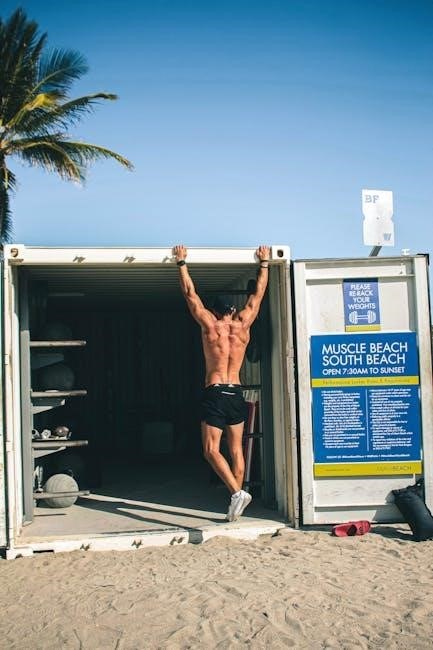
Additionally, bodyweight exercises promote functional fitness, helping individuals develop the strength and coordination needed for everyday activities. They also improve mobility and flexibility, making them an excellent choice for people looking to enhance their overall physical health. With their simplicity and effectiveness, bodyweight exercises remain a popular and essential component of container exercise routines.
When performing bodyweight exercises, proper form and technique are crucial to maximize benefits and minimize the risk of injury. Focusing on controlled movements and engaging the correct muscle groups ensures that each exercise is performed safely and effectively. By incorporating bodyweight exercises into a workout plan, individuals can achieve a well-rounded fitness regimen that supports both physical and mental well-being.
3.2 Resistance Band Exercises
Resistance band exercises are another essential component of container exercises, offering a portable and versatile way to build strength, improve flexibility, and enhance overall fitness. These exercises utilize elastic bands that provide resistance when stretched, allowing individuals to target specific muscle groups effectively. Resistance bands are lightweight, easy to store, and can be used in almost any setting, making them a popular choice for workouts on the go.
One of the key advantages of resistance band exercises is their ability to provide continuous tension throughout a movement, which helps engage muscles more actively than free weights in some cases. Common exercises include banded squats, chest presses, lateral walks, and rows. For example, a banded squat involves placing the band around the thighs and performing a squat, which adds resistance to the movement and strengthens the legs and glutes. Similarly, a banded chest press can be done by anchoring the band behind the back and pressing it forward, targeting the chest muscles.
Resistance bands are also highly adaptable, as they come in varying levels of resistance, from light to heavy. This makes them suitable for individuals at different stages of their fitness journey. Additionally, resistance bands are cost-effective and space-efficient, making them an ideal addition to any workout routine. They are particularly useful for travelers or those with limited access to gym equipment, as they can easily be packed and used in small spaces.
When using resistance bands, proper form is essential to avoid injury and maximize the effectiveness of the workout. It’s important to choose the right level of resistance and gradually increase it as strength improves. Incorporating resistance band exercises into a container exercise routine can add variety and challenge, helping to keep workouts engaging and effective.
Overall, resistance band exercises are a valuable tool for achieving fitness goals, offering a combination of convenience, versatility, and effectiveness that makes them a staple in many workout plans.
Safety Guidelines and Precautions
When performing container exercises, prioritize safety to avoid injuries and ensure effective workouts. Always warm up before starting and cool down afterward to prepare and relax muscles. Use proper form and technique to prevent strain. Inspect equipment for damage, and avoid overexertion. Stay hydrated, listen to your body, and rest when needed. Work within your fitness level and seek guidance if unsure.
4.1 General Safety Tips
When engaging in container exercises, adhering to general safety tips is essential to maximize benefits and minimize risks. Always begin with a proper warm-up to prepare your muscles and joints for physical activity. This includes light cardio and dynamic stretching to improve flexibility and circulation. Ensure you have adequate space to move freely without colliding with objects or others around you.
Proper form and technique are critical to avoid injuries. Focus on maintaining good posture and engaging the correct muscles throughout each exercise. If using equipment, inspect it for damage or wear before use. For example, check resistance bands for cracks or frays, and ensure containers are stable and securely closed to prevent accidents.
Stay hydrated throughout your workout, especially in hot environments, to prevent dehydration. Listen to your body and rest when needed; overexertion can lead to fatigue and poor form. Avoid performing exercises near sharp edges or heavy objects that could pose a hazard if accidentally knocked over. Additionally, wear appropriate clothing and footwear to provide support and traction.
If you’re new to container exercises, consider working with a partner or supervisor who can provide guidance and assistance if needed. Start with lighter loads or resistance levels and gradually increase intensity as you build strength and confidence. This approach helps prevent overexertion and ensures a safe progression in your fitness journey.
Finally, be mindful of your surroundings and ensure the area is clear of obstacles. For outdoor workouts, check the weather conditions and avoid exercising in extreme heat, cold, or wet conditions, which can increase the risk of accidents. By following these general safety tips, you can enjoy the benefits of container exercises while protecting your health and well-being.
4.2 Injury Prevention
Injury prevention is a crucial aspect of engaging in container exercises, ensuring that participants can enjoy the benefits of these workouts without harm. One of the primary strategies is maintaining proper form and technique. Teaching individuals how to lift containers correctly—bending at the knees and lifting with the legs instead of the back—can significantly reduce the risk of back injuries. Emphasizing the importance of a thorough warm-up before starting any exercise routine helps prepare the muscles and prevents pulls or strains.

Ensuring the stability of the containers is another key factor. For activities like step-ups, the container should be sturdy and placed on a flat, secure surface to prevent wobbling or tipping. Additionally, the material of the container matters; it should be durable with smooth edges to avoid cuts or abrasions. Recommending containers made from safe, exercise-friendly materials can mitigate potential hazards.
Hydration and rest are integral to injury prevention. Dehydration can lead to muscle cramps and fatigue, increasing the likelihood of injury. Encouraging regular water intake and adequate rest periods helps maintain physical performance and safety. Avoiding overtraining is equally important, as excessive repetition or intensity can result in repetitive strain injuries. Promoting a balanced workout routine that incorporates varied exercises can prevent overuse issues.
The exercise environment also plays a role in safety. Ensuring there is ample space to move without tripping over objects or the container itself is essential. Good lighting and a clear, obstacle-free area contribute to a safer workout setting. Gradually increasing the intensity of exercises—starting with lighter weights or lower steps and advancing as strength and comfort improve—can prevent injuries from overexertion.
Finally, incorporating a cool-down routine after workouts aids in reducing muscle soreness and enhancing flexibility, further minimizing injury risks. By focusing on these specific injury prevention strategies, individuals can safely and effectively engage in container exercises, reaping the benefits while safeguarding their health.

Creating a Workout Plan

Creating a workout plan with container exercises is essential for achieving fitness goals effectively. The first step is to define clear objectives, whether it’s overall fitness, weight loss, or muscle building. This helps in tailoring the exercises and structuring the plan accordingly.
Determine the frequency and duration of workouts. Consistency is key, but overtraining should be avoided. Typically, 3 to 4 sessions per week with 45 to 60 minutes per session is a balanced approach for most individuals.
Select exercises that align with the fitness goals. Begin with bodyweight exercises to build a foundation, then incorporate resistance bands for added challenge. Examples include container step-ups, container lifts, and container push-ups.
Structure each session with a warm-up to prepare the body, a main workout focusing on specific exercises, and a cool-down for recovery. This ensures a comprehensive and safe exercise routine.
Plan for progression by gradually increasing intensity. This can be achieved by boosting repetitions, using heavier containers, or extending workout duration as fitness levels improve.
Nutrition and rest are vital. Ensure a balanced diet to fuel workouts and aid recovery. Adequate rest allows muscles to repair and grow, enhancing overall performance.
Track progress by maintaining a workout log, monitoring strength gains, and adjusting the plan as needed. This helps in staying motivated and ensuring continuous improvement.
Lastly, prioritize safety by using stable, appropriate-weight containers to prevent injuries. Flexibility in the plan accommodates different fitness levels and goals, making it adaptable and effective.