hawaii reef fish guide
Hawaii’s vibrant reefs teem with unique fish, deeply intertwined with native culture and traditions; explore these underwater ecosystems responsibly and sustainably.
Discover the six major islands – Kauaʻi, Oʻahu, Molokaʻi, Lānaʻi, Maui, and the island of Hawaiʻi – each offering distinct adventures and sights.
This guide provides insights into identifying common species, understanding their ecological roles, and learning about ongoing conservation efforts within these precious habitats.
Overview of Hawaiian Reef Ecosystems
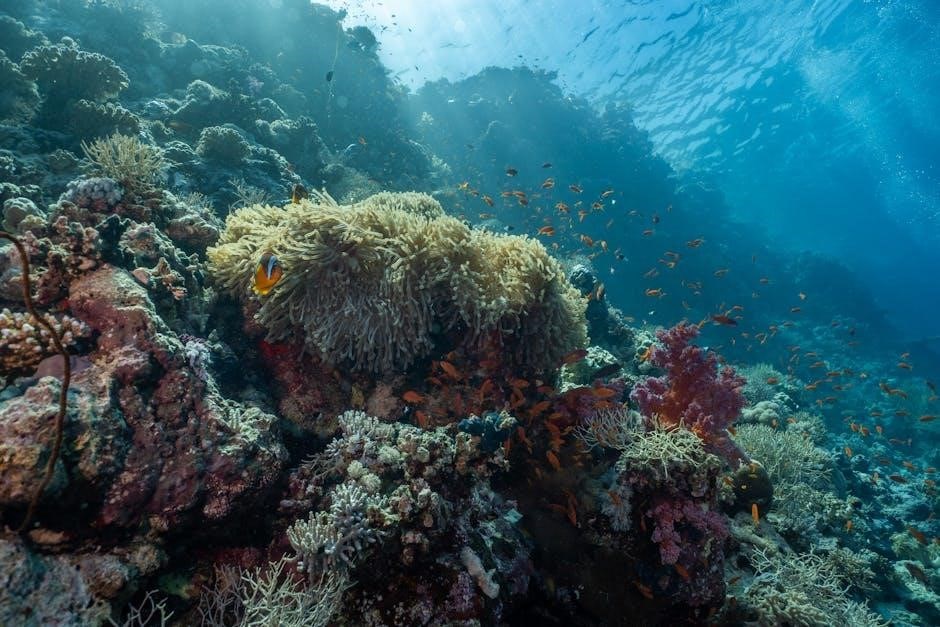
Hawaiian reef ecosystems are remarkably biodiverse, shaped by volcanic activity, ocean currents, and a remote island location. These underwater landscapes are built by coral polyps, creating complex structures that provide shelter and sustenance for a vast array of marine life.
The reefs support numerous fish species, invertebrates, and algae, forming a delicate web of interactions. Water clarity, temperature, and nutrient levels are crucial factors influencing reef health. Sadly, these ecosystems face increasing threats from pollution, overfishing, and climate change, impacting the delicate balance.
Understanding these ecosystems is vital for effective conservation, ensuring the preservation of Hawaii’s natural heritage for future generations. The islands’ unique geography contributes to the exceptional diversity found within these reefs.
Importance of Reef Fish to Hawaiian Culture
Reef fish hold profound cultural significance in Hawaii, deeply woven into traditions, legends, and daily life for centuries. Many species feature prominently in ancient Hawaiian mythology, representing deities, ancestors, and important symbols.
Fish served as a vital food source, sustainably harvested with respect for the ocean’s resources. Traditional fishing practices were guided by strict protocols, ensuring long-term ecological balance. The vibrant colors and unique forms of reef fish inspired artistry, music, and storytelling.
Today, maintaining this connection to the ocean and its inhabitants remains crucial for preserving Hawaiian cultural identity and promoting responsible stewardship of these invaluable ecosystems.
Common Hawaiian Reef Fish Species
Hawaii’s reefs boast incredible biodiversity; explore iconic species like the Yellow Tang, Hawaiian Cleaner Wrasse, and Parrotfish, each playing a vital role.
Yellow Tang (Kanihikili)
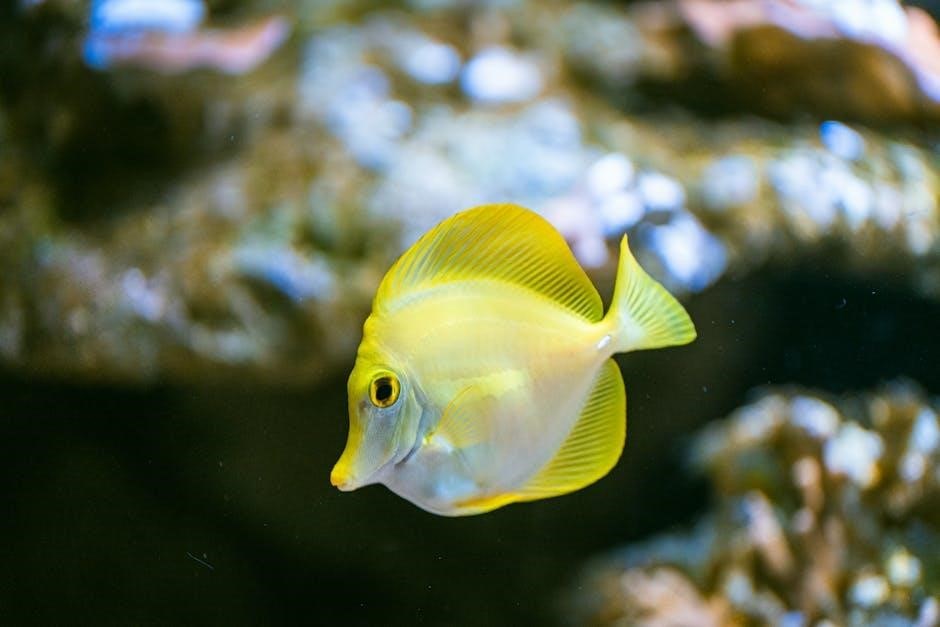
The Yellow Tang, known as Kanihikili in Hawaiian, is a strikingly vibrant and commonly observed reef fish. These fish are easily recognized by their brilliant yellow coloration, a feature that intensifies with age. They typically grow to around 12 inches in length, exhibiting a compressed, disc-shaped body.
Yellow Tangs are herbivores, primarily feeding on algae that grow on coral reefs. This grazing behavior is crucial for maintaining reef health, preventing algae from overgrowing and smothering coral. Unfortunately, populations have been impacted, with some reports indicating a 50% decline in local saltwater reef fish inventories due to restrictions on fishing practices.
Their cultural significance is noteworthy, representing a connection to Hawaii’s rich marine heritage. Observing these fish contributes to understanding the delicate balance within the reef ecosystem.
Identifying Characteristics of the Yellow Tang
The Yellow Tang (Zebrasoma flavescens) boasts a uniformly bright yellow body, a key identifier. Juveniles may exhibit a more subdued, paler yellow hue. A distinctive feature is its scalpel-like caudal fin spines, used for defense. These fish possess a compressed, disc-shaped body, reaching approximately 12 inches in length.
Their small mouth is adapted for grazing on algae; Observe their streamlined shape, facilitating swift movement amongst coral formations. As they mature, the yellow coloration intensifies, becoming remarkably vivid. Distinguishing them from similar species relies on their consistent, all-over yellow appearance and body form.
Careful observation of these traits aids in accurate identification during reef explorations.
Habitat and Diet of the Yellow Tang
Yellow Tangs primarily inhabit shallow, coral reef environments around Hawaii, typically found at depths of 3 to 150 feet. They favor areas with ample algae growth, their primary food source. These fish are commonly observed on leeward reefs, sheltered from strong currents.
Their diet consists almost exclusively of algae, which they graze upon throughout the day, contributing to reef health by controlling algal overgrowth. They play a vital role in maintaining the delicate balance of the reef ecosystem. They are diurnal feeders, actively foraging during daylight hours.
Maintaining healthy algal populations is crucial for their survival and the reef’s well-being.
Hawaiian Cleaner Wrasse (Hīhi‘ao)
The Hīhi‘ao, or Hawaiian cleaner wrasse, is a small, brightly colored fish crucial to reef health. These industrious creatures establish “cleaning stations” where larger fish visit to have parasites and dead tissue removed. This symbiotic relationship benefits both parties – the wrasse gains a meal, and the host fish receives essential grooming.
They are easily identified by their slender bodies and distinctive behavior. Cleaner wrasses are incredibly important for maintaining the overall health and hygiene of the reef ecosystem, preventing the spread of disease and promoting biodiversity. Observing these interactions is a fascinating aspect of Hawaiian reef exploration.
Role of the Cleaner Wrasse in Reef Health
Hawaiian cleaner wrasses play a pivotal role in maintaining reef ecosystem stability. By removing external parasites, they significantly reduce disease transmission among reef fish populations. This cleaning service enhances the overall health and resilience of the reef community, fostering a thriving environment for diverse species.

Their presence directly impacts fish survival rates and reproductive success. A decline in cleaner wrasse populations can lead to increased parasite loads, weakened fish, and ultimately, a less vibrant and productive reef. Protecting these small but mighty fish is therefore essential for long-term reef conservation efforts in Hawaii.
Behavior and Interactions with Other Fish
Hawaiian cleaner wrasses exhibit fascinating behaviors, establishing “cleaning stations” where larger fish queue for parasite removal. This symbiotic relationship is crucial; wrasses receive nourishment, while clients benefit from parasite removal, enhancing their health. They boldly approach various species, even those significantly larger, demonstrating a unique level of confidence.
Interestingly, cleaner wrasses can sometimes “cheat” by taking bites of healthy tissue, though this risks client retaliation. Their interactions are vital for reef health, influencing fish distribution and social dynamics. Observing these interactions reveals the intricate web of life within Hawaiian coral reefs.
Parrotfish (Uhu)
Parrotfish, known as Uhu in Hawaiian, are iconic reef inhabitants, celebrated for their vibrant colors and crucial ecological role. These fish are primary grazers, using their beak-like mouths to scrape algae off coral, contributing significantly to reef health and structural maintenance. Their grazing prevents algal overgrowth, allowing corals to thrive.
Hawaii hosts diverse parrotfish species, varying in size, color patterns, and feeding preferences. They exhibit fascinating behaviors, often sleeping encased in a mucus cocoon for protection. Sadly, populations have declined, with a 45% biomass reduction in West Hawaii’s reefs over a decade, highlighting the need for conservation.
Different Species of Parrotfish in Hawaii
Hawaii boasts a remarkable diversity of parrotfish species, each uniquely adapted to its reef environment. The Yellowlip Parrotfish (Kyphosus vaigiensis) displays a striking yellow lip, while the Palani Parrotfish (Scarus psittacus) exhibits vibrant blue and green hues. The Bumphead Parrotfish (Bolbometopon muricatum), the largest species, is easily recognized by its prominent forehead.
Other notable species include the Bluestripe Parrotfish and the Saddleback Parrotfish, each contributing to the reef ecosystem’s complexity. Identifying these species requires careful observation of color patterns, body shape, and size. Their varied feeding habits and ecological roles further enhance reef resilience.
Ecological Significance of Parrotfish
Parrotfish are vital to maintaining the health and resilience of Hawaiian coral reefs. Their grazing habits are crucial for controlling algal growth, preventing algae from overgrowing and smothering corals. This bioerosion process also creates new substrate for coral larvae to settle on, promoting reef regeneration.
By consuming algae, parrotfish contribute to the balance of the reef ecosystem, supporting biodiversity and overall reef structure. A decline in parrotfish populations, as observed in West Hawaii, can lead to algal dominance and reef degradation. Conservation efforts focused on protecting parrotfish are therefore essential for preserving Hawaii’s reefs.
Identifying Reef Fish: A Visual Guide
Observe color patterns, body shapes, and fin structures to distinguish Hawaii’s diverse reef fish; careful observation unlocks the secrets of this underwater world.
Color Patterns and Markings
Reef fish exhibit a stunning array of colors and patterns, serving crucial roles in camouflage, communication, and species recognition. The vibrant yellow of the Tang (Kanihikili) provides disruptive coloration amongst coral, while the intricate patterns of Parrotfish (Uhu) may change with age and sex.
Many species display bold stripes, spots, or bars, breaking up their body outline against the complex reef background. Others utilize countershading – darker on top and lighter below – to blend with the water column.
Pay close attention to unique markings, such as facial stripes or eye spots, which can aid in precise identification. These visual cues are essential for both researchers and enthusiasts seeking to understand Hawaii’s incredible marine biodiversity.
Body Shape and Size
Hawaiian reef fish display remarkable diversity in body shape and size, reflecting their varied ecological niches. The streamlined, disc-shaped Yellow Tang is built for agility, reaching around 12 inches in length. In contrast, Parrotfish possess robust, parrot-like beaks and can grow to over 3 feet.
Body shapes range from elongated and eel-like to laterally compressed and rounded. Size varies dramatically, from tiny gobies measuring less than an inch to larger predators like jacks. Observing these physical characteristics provides valuable clues for identification.
Consider the overall proportions and how the fish moves through the water; these details contribute to a comprehensive understanding of each species’ lifestyle.
Fin Structure and Characteristics
Fin structure is crucial for identifying Hawaiian reef fish, revealing adaptations for maneuverability, stability, and feeding; Tangs exhibit sickle-shaped caudal fins for swift swimming, while Butterflyfish possess elongated dorsal fins for precise control.
Observe the shape and size of pectoral and pelvic fins – are they rounded, pointed, or filamentous? Fin coloration often provides additional identification cues, with vibrant patterns or contrasting edges. Some species have modified fins for specialized tasks, like the spiny fins of Lionfish.
Analyzing fin ray counts and arrangements can further refine identification, offering a deeper understanding of evolutionary relationships.
Threats to Hawaiian Reef Fish Populations
Hawaiian reef fish face escalating threats from sewage pollution, overfishing, and coral bleaching due to climate change, impacting biomass and biodiversity.
Sewage Pollution and its Impact
Untreated or inadequately treated sewage represents a significant stressor on Hawaiian reef ecosystems. A recent study revealed sewage pollution as the primary driver behind a 45% decline in the biomass of crucial fish species in West Hawaii reefs over a decade.
Nutrient enrichment from sewage fuels algal blooms, smothering corals and reducing light penetration essential for their survival. This degradation of coral habitat directly impacts fish populations that rely on healthy reefs for food and shelter.
Furthermore, sewage introduces pathogens that can sicken or kill fish, disrupting the delicate balance of the reef ecosystem and hindering recovery efforts. Addressing this issue is paramount for the long-term health of Hawaiian reef fish.
Overfishing and Destructive Fishing Practices
Unsustainable fishing practices pose a serious threat to Hawaiian reef fish populations. Historically, the aquarium fish trade, reliant on fine mesh nets, significantly impacted local reef fish numbers, with one owner reporting a 50% inventory decline following net restrictions.
Beyond the aquarium trade, overfishing of key herbivore species, like parrotfish, disrupts the natural balance of the reef. Parrotfish control algal growth, preventing it from overwhelming corals. Their removal leads to reef degradation.
Destructive methods, though less prevalent now, historically included dynamite fishing, causing widespread habitat damage. Responsible fishing regulations and enforcement are crucial for safeguarding these vulnerable ecosystems.
Coral Bleaching and Climate Change
Rising ocean temperatures, driven by climate change, are a primary cause of coral bleaching in Hawaii. Bleaching occurs when corals expel symbiotic algae, losing their color and vital nutrients, leading to coral stress and potential mortality.
Bleached corals weaken the entire reef ecosystem, impacting fish populations that depend on them for shelter and food. A recent study revealed a 45% decline in important fish biomass in West Hawaii reefs over a decade.
Ocean acidification, another consequence of increased atmospheric carbon dioxide, further hinders coral growth and recovery. Mitigating climate change through global emissions reductions is essential for the long-term survival of Hawaiian reefs and their fish communities.
Conservation Efforts and Marine Reserves
Dedicated marine reserves, like Ka‘upulehu, and institutions such as the Oceanic Institute are vital for reef fish recovery and sustainable practices.
Ka‘upulehu Marine Reserve: A Success Story
Located on the North Kona coast of Hawaii Island, the Ka‘upulehu Marine Reserve demonstrates the positive impact of dedicated conservation efforts. Just two years into a ten-year rest period, significant improvements in fish populations are already being observed. This reserve provides a sanctuary where fish can thrive, free from fishing pressure, allowing for increased breeding and overall biomass.
Certain species are showing remarkable recovery, increasing at rates that highlight the effectiveness of this protected area. The reserve serves as a crucial benchmark for understanding reef resilience and informing future conservation strategies throughout Hawaii. It’s a testament to the power of allowing ecosystems to naturally regenerate when given the opportunity.
The Role of the Oceanic Institute of Hawaii Pacific University
The Oceanic Institute of Hawaii Pacific University plays a vital role in Hawaiian reef fish research and conservation. Aquatic researcher Chad Callan leads teams collecting fish eggs, contributing to crucial studies on reef ecosystems and species propagation. This work is essential for understanding fish life cycles and developing effective restoration strategies.
Their research extends to assessing the impacts of environmental stressors, like pollution, on fish populations. By monitoring reef health and fish biomass, the Institute provides data-driven insights for policymakers and conservation managers. This dedication supports sustainable practices and ensures the long-term health of Hawaii’s invaluable coral reefs;
Sustainable Aquarium Fish Trade Considerations
The Hawaiian aquarium fish trade faces scrutiny regarding sustainability. A ruling banning fine mesh nets significantly impacted local reef fish inventories, with Coral Fish Hawaii reporting a 50% decline. This highlights the trade’s potential to disrupt reef ecosystems if not carefully managed.
Responsible practices are crucial, including sourcing from sustainable fisheries and promoting captive breeding programs. Consumers should inquire about the origin of fish and support businesses committed to conservation. Balancing economic interests with ecological preservation is vital for ensuring the long-term health of Hawaiian reefs and their diverse fish populations.
Resources for Further Exploration
Dive deeper with online databases, field guides, and local dive shops; explore the Oceanic Institute’s research and discover Hawaii’s reef fish wonders!
Online Databases and Identification Tools
Numerous digital resources aid in identifying Hawaii’s diverse reef fish. The Reef Environmental Education Foundation (REEF) offers a comprehensive online fish identification database, featuring photos, descriptions, and range maps – a valuable tool for snorkelers and divers.
FishBase, a global fish database, also includes detailed information on Hawaiian species. Additionally, the Maui Ocean Center provides online resources and educational materials about local reef ecosystems and their inhabitants.
Several mobile apps, like iNaturalist, allow users to upload photos for identification assistance from a community of experts. These tools empower citizen scientists and enhance understanding of Hawaii’s underwater world, fostering responsible exploration and conservation.
Field Guides and Books on Hawaiian Reef Fish
Traditional field guides remain essential for identifying Hawaiian reef fish, offering detailed illustrations and descriptions. “Hawaii’s Reef Fishes: A Guide for Snorkelers and Divers” by John E. Randall is a widely respected resource, providing comprehensive coverage of local species.
Other valuable publications include guides focusing on specific regions or fish families. These books often incorporate information on fish behavior, habitat, and conservation status, enhancing the learning experience.
Look for guides with clear photographs or illustrations, alongside accessible language, to facilitate accurate identification. Combining field guides with online resources creates a robust learning toolkit for exploring Hawaii’s underwater biodiversity.
Local Dive Shops and Tour Operators
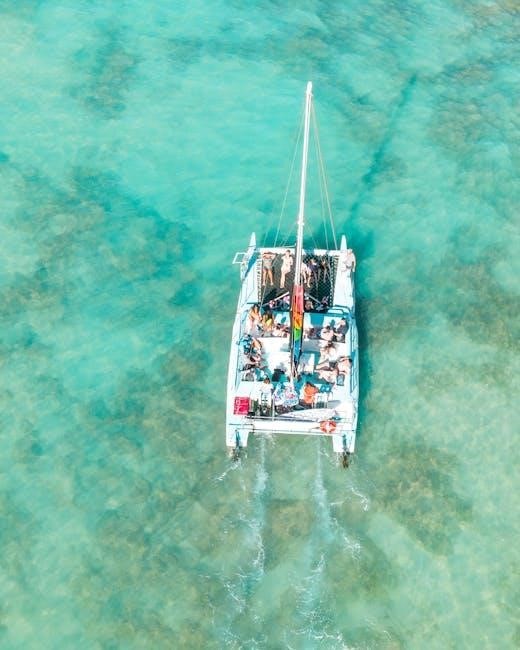
Engaging with local dive shops and tour operators provides invaluable opportunities to learn about Hawaiian reef fish firsthand. Experienced guides can identify species, share ecological insights, and point out unique behaviors during snorkeling or diving excursions.
Many operators prioritize responsible tourism, emphasizing reef conservation and minimizing environmental impact. They often contribute to local research efforts and promote sustainable practices.
Choosing reputable operators ensures a safe and informative experience, fostering a deeper appreciation for Hawaii’s marine ecosystems. Support businesses committed to preserving these fragile environments for future generations, enhancing your understanding.