positive affirmations worksheet pdf
What is a Positive affirmations worksheet PDF?
A Positive affirmations worksheet PDF is a printable digital resource that presents uplifting statements in a structured layout. Designs often feature rainbow bright, neutral, Kutopa themes, offering colorful or calm visuals to engage users.
Definition and purpose
A Positive affirmations worksheet PDF is a printable digital document that presents a series of uplifting statements arranged in a clear, repeatable format; The layout often includes space for the user to write personal variations, and the visual style is commonly themed in rainbow‑bright, neutral, or Kutopa designs to attract different age groups.
The primary purpose of the worksheet is to provide a structured tool for shifting negative self‑talk into constructive, confidence‑building language. By completing the sheet regularly—whether in a classroom, therapy session, or at home—children and young people learn to internalize positive messages, reduce stress, and develop a resilient mindset that supports ongoing mental‑health growth. Educators often pair the worksheet with brief discussions that ask students to identify a personal challenge and select an affirmation that directly addresses it. This reflective step reinforces the link between thought and feeling, making the exercise more than a rote activity. The printable format also allows easy duplication for group work, and the PDF can be printed on standard A4 or letter paper, ensuring accessibility in any setting. Over time, consistent use can create a habit of positive self‑dialogue, which research links to improved emotional regulation and academic engagement. Teachers may log each worksheet, noting language shifts, to illustrate growth and motivate continued practice through the school year.!!!
Common design themes (rainbow, neutral, Kutopa)
Positive affirmations worksheets are available in a range of visual styles that cater to diverse audiences. The most popular styles are rainbow‑bright, neutral, and Kutopa; Rainbow‑bright sheets use a spectrum of saturated colors that evoke energy, optimism, and creativity. The layout typically features bold, playful fonts and icons that appeal to younger learners, making the affirmations feel like a fun activity rather than a chore. Neutral designs employ a muted palette of soft grays, blues, and pastels. These sheets are ideal for settings where a calm, unobtrusive atmosphere is desired, such as therapy rooms or quiet study areas. The typography is usually clean and understated, allowing the words themselves to take center stage without visual distraction. Kutopa is a more contemporary aesthetic that blends geometric shapes with subtle gradients. The color scheme often includes teal, coral, and mustard, giving the sheet a modern, slightly edgy look. This style is popular among teens and adults who appreciate a balance between professionalism and artistic flair. All three themes are offered as downloadable PDFs, allowing educators and clinicians to print the sheets in standard sizes or to incorporate them into digital lesson plans. By selecting the appropriate theme, facilitators can align the worksheet’s visual tone with the emotional goals of their program, thereby enhancing engagement and reinforcing the positive messages embedded in each affirmation.
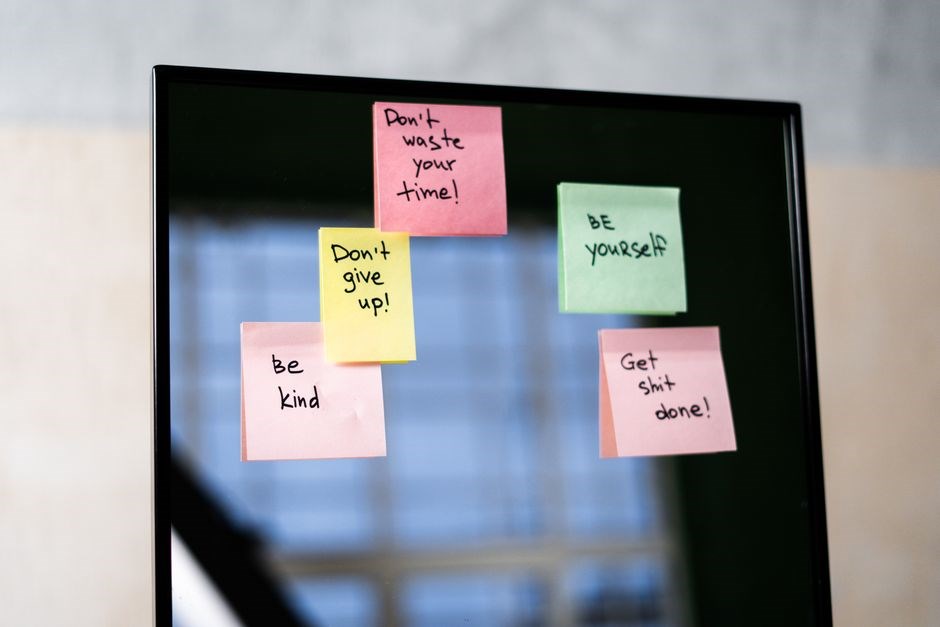
Students can personalize each sheet by writing their own affirmations on sticky notes, turning the worksheet into a new display that reinforces practice.
Benefits of Using Positive affirmations Worksheets
These printable PDFs boost confidence through repeated uplifting self‑talk. Children gain achievement, while adults feel less stress and better mood. Regular use builds a habit of positive thinking, supporting mental resilience daily now.
Impact on children’s confidence
When children regularly engage with a positive affirmations worksheet PDF, they internalize hopeful language that directly boosts self‑esteem. The printable format allows teachers and parents to display bright rainbow or calm neutral designs, encouraging kids to write their own affirmations on sticky notes or index cards. By repeating phrases such as “I am brave” or “I can learn,” children notice a shift in how they view challenges. Studies from the WeHeartCBT workbook show that consistent affirmation practice reduces anxiety and increases willingness to try new tasks. Moreover, the interactive element—letting kids add personal statements—creates ownership and a sense of agency. As they see their own words reflected on a classroom wall, confidence grows, and the habit of positive self‑talk becomes a lasting tool for resilience and academic success.
Teachers can set a daily affirmation station where students pick a card, read it aloud, and reflect on how it applies to their day. The worksheet’s bright rainbow layout encourages visual engagement, while the neutral version offers calm focus for quieter settings. Parents can mirror the routine at home, reinforcing consistency across environments. Over time, the repeated positive language becomes an internal dialogue that supports resilience, reduces self‑critical thoughts, and fosters a growth mindset.
Such practice builds self‑esteem and nurtures a hopeful outlook students carry into life It becomes a habit, building resilience

Benefits for adult mental health
Adults who incorporate a positive affirmations worksheet PDF into their daily routine experience measurable improvements in mood, stress resilience, and cognitive flexibility. By printing the PDF—available in rainbow bright, neutral, or Kutopa styles—individuals can place the sheet on a desk, mirror, or fridge, turning the page into a constant reminder of self‑worth. The WeHeartCBT workbook demonstrates that repeated exposure to affirmations such as “I am capable” or “I deserve peace” rewires neural pathways associated with negative self‑talk, reducing rumination and anxiety. When adults write their own affirmations on sticky notes or index cards, the act of personalization reinforces ownership and deepens emotional engagement. This practice also supports mindfulness by encouraging a pause to reflect on present strengths rather than past failures. Therapists report that clients who use printable affirmations report higher self‑esteem scores and a greater sense of agency in therapy sessions. Moreover, the flexibility of the PDF format allows for quick updates—adding new affirmations as goals evolve—keeping the practice fresh and relevant. In workplace settings, employees who display affirmations on their desks report increased focus and a more collaborative mindset. Overall, the simple act of printing, writing, and revisiting positive statements cultivates a resilient mindset, promotes emotional regulation, and fosters a healthier relationship with oneself. This tool also encourages consistency, turning daily reflection into a habit that reinforces positive self‑beliefs and supports long mental resilience.
Where to Find Free Printable PDFs
Trusted sites such as WeHeartCBT and Amy Tangerine offer free downloadable affirmation worksheets in rainbow, neutral, or Kutopa designs. Their PDFs are released under personal‑use licenses, allowing you to print, edit, and share without cost. Free now!!

Trusted websites and creators (WeHeartCBT, Amy Tangerine)
WeHeartCBT is a mental‑health resource hub that provides a range of printable worksheets, including a Positive Affirmations Workbook designed for children and young people. The PDF features bright rainbow, neutral, and Kutopa‑style layouts, each containing space for personal statements, reflection prompts, and simple exercises that help shift negative thinking. All files are offered as free digital downloads under a personal‑use licence, allowing educators, therapists, and families to print unlimited copies for classroom or home use. Updated monthly with new designs.
Amy Tangerine, a creator known for vibrant printable designs, offers self‑love and confidence affirmation cards that complement the worksheets. Her PDFs feature bold typography and pastel colour schemes, often including extra pages for sticky‑note activities or index‑card prompts. Amy’s resources are shared through her website, with a clear statement that the files may be used freely for personal development and non‑commercial projects.
- Easy access: sites host direct download links without requiring payment.
- Clear licensing: each PDF notes users may print, share, and adapt material for personal or educational use.
- Regular updates: new themes added monthly, keeping content fresh for repeat use.
By relying on these creators, users can trust that the affirmations are thoughtfully crafted and visually appealing.
Understanding licensing and free use
When you download a Positive affirmations worksheet PDF from reputable creators, it usually includes a clear licence statement. Most of the popular resources – such as the worksheets offered by WeHeartCBT and the printable cards from Amy Tangerine – are released under a personal‑use or non‑commercial licence.This means you may print the PDF as many times as you need, distribute copies to students, clients, or family members, and even adapt the layout for classroom activities, provided you do not sell the material or claim it as your own work.
Key points to watch for:
- Personal‑use clause: Allows unlimited printing for home, school or therapy.
- Non‑commercial restriction: Prohibits charging a fee for the original PDF; you may bundle it with free resources, but the core must stay free.
- Modification rights: Many PDFs explicitly permit you to add sticky‑note prompts, index‑card extensions, or colour‑coding, as long as the modified version is offered free of charge.
Before you incorporate a worksheet into a paid program, double‑check the licence details on the download page. If the licence is ambiguous, contact the creator for clarification; Respecting these guidelines protects the creator’s intellectual property while ensuring that educators and mental‑health professionals can continue to use high‑quality affirmation tools without legal concerns.

Customizing and Creating Your Own Worksheet
Use Canva or similar design tools to edit the rainbow, neutral or Kutopa PDF templates. Add your own affirmations, change fonts, and insert spaces for sticky‑note or index‑card activities. Export as PDF for easy printing and classroom use. :)!
Design tools like Canva
Canva is a versatile, web‑based graphic design platform that lets educators, therapists, and parents craft custom positive affirmations worksheets with ease. By starting from a blank canvas or selecting one of Canva’s pre‑made templates, you can drag and drop text boxes, choose from a vast library of fonts, and apply color palettes that match your desired mood—whether bright, neutral, or Kutopa. The drag‑and‑drop interface eliminates the need for advanced design skills, while the built‑in grid system ensures that each affirmation line stays aligned and visually balanced. You can also upload your own images or icons to reinforce the message, and Canva’s “Brand Kit” feature allows you to store consistent colors, logos, and fonts for future projects, saving time and maintaining a cohesive look across multiple worksheets. Once the layout is finalized, the “Download” button offers several file types; selecting PDF‑Print guarantees high‑resolution output suitable for both digital sharing and physical printing. Canva also supports collaborative editing, so you can invite classmates or colleagues to contribute new affirmations or tweak the design in real time. By exporting the finished worksheet as a PDF, you preserve the layout fidelity across devices, ensuring that the final product looks exactly as intended when printed or viewed on a screen. This workflow—from template selection, through text customization, to PDF export—provides a streamlined, professional‑looking solution for creating personalized affirmation resources that can be used in classrooms, therapy sessions, or home routines. Additionally, Canva’s “Magic Resize” feature allows you to quickly adapt the worksheet for different paper sizes, such as A4, Letter, or even social media formats like Instagram stories, making it versatile for various distribution channels. The platform also offers a library of free illustrations and icons that can be used to highlight key words or to create visual anchors that help children remember the affirmations. For those who prefer a tactile approach, you can design the worksheet with placeholders for sticky notes or index cards, encouraging users to write their own affirmations and physically place them on the sheet. Canva’s “Print” service can even ship finished PDFs directly to your address, eliminating the need for a local printer. Finally, by saving your design in Canva’s cloud, you can revisit and update the worksheet whenever new affirmations are needed, ensuring that the resource remains fresh and relevant over time.
Adding interactive elements (sticky notes, index cards)
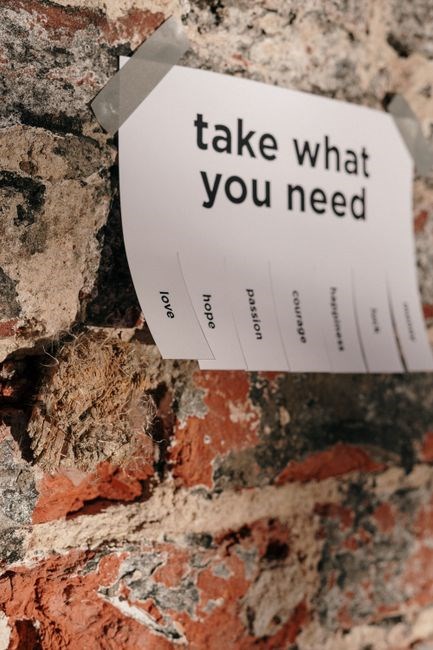
Integrating tactile tools such as sticky notes and index cards transforms a static PDF into a dynamic affirmation board that encourages active participation. After printing the Positive affirmations worksheet PDF—available in rainbow bright, neutral, or Kutopa designs—teachers or therapists can attach a series of blank sticky‑note squares along the margins or beneath each affirmation line. Participants are invited to write their own personal statements on the notes, then peel and place them onto the worksheet, creating a layered visual collage that evolves with each session. Index cards work similarly; pre‑cut cards can be labeled with prompts like “I am brave” or “I can solve problems,” and learners can shuffle, swap, or stack them to reflect changing moods or goals. This hands‑on approach reinforces the habit of revisiting affirmations regularly, as the physical act of writing and moving the notes deepens memory encoding. The activity also supports differentiated instruction: younger children may use colorful stickers, while older students can write longer, reflective sentences on larger cards. By incorporating these interactive elements, the worksheet becomes a living document that can be displayed on a classroom wall, therapy bulletin board, or home fridge, turning everyday spaces into affirmation hubs. This simple, powerful change turns a printable resource into a new tool that nurtures self‑esteem and encourages reflection.

Implementing Worksheets in Classroom or Therapy
Use the PDF to create daily affirmation circles, group discussions, or journaling. Teachers display worksheets on walls, add sticky notes, and schedule brief mindfulness breaks. Therapists assign homework, track progress, and celebrate growth!

Practical activity ideas and routines
Begin each session with a quick affirmation circle: students or clients read the PDF aloud, then write their own on sticky notes and place them on a shared board. Rotate the board daily to keep the display fresh. Use index cards for a “self‑talk” exercise, where participants match a challenge to a positive statement from the PDF. Schedule a 5‑minute reflection after each activity, prompting users to journal how the affirmation felt. For group work, create a “affirmation relay” – each person adds a line to a growing story, reinforcing confidence. Incorporate a “gratitude jar” where notes from the worksheet are dropped, reviewed weekly, and celebrated. In therapy, assign homework sheets that include a blank space for personal affirmations, encouraging continuity outside sessions. Use the PDF’s rainbow, neutral, or Kutopa themes to match mood: bright colors for energetic starts, neutral tones for calm focus, and Kutopa for creative exploration. Finally, end each week with a “progress showcase” where participants share successes linked to their affirmations, fostering a supportive community. Encourage reflection by asking participants to write one new affirmation each week, noting how it shifts their mindset and supports ongoing growth. This iterative process reinforces the habit of positive self‑talk and builds a resilient, optimistic learning environment for all. Practice consistency, watch confidence bloom as each affirmation becomes a stepping stone!.